
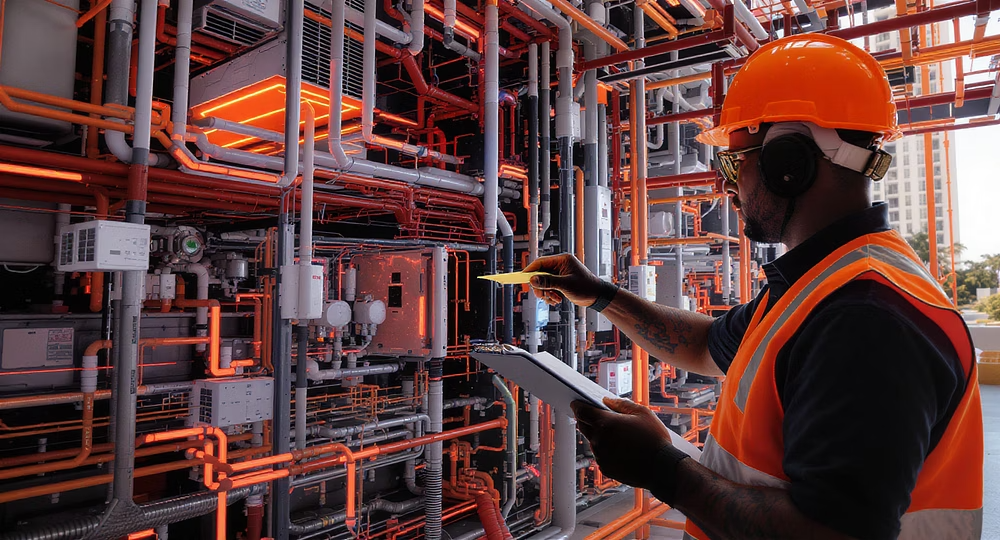
Your business runs on connectivity — but not all networks are created equal. Choosing between structured cabling and wireless comes down to reliability, performance, and scalability. At EnergyXF Electric, we design infrastructure that keeps you connected and future-ready.
What Is Structured Cabling?
Structured cabling involves installing physical network cables (typically Cat6 or Cat7) throughout your facility to connect computers, cameras, and access points. It provides:
- Consistent connection speeds
- Easier troubleshooting
- Scalability for future tech upgrades
When Wireless Makes Sense
Wireless networks are flexible and fast to deploy, especially in smaller offices or temporary setups. However, Wi-Fi signals can degrade over distance and face interference from walls, metal, and other devices — common in commercial buildings.
Why Most Businesses Choose a Hybrid Approach
The best setups combine wired and wireless systems. Structured cabling handles core data and bandwidth-heavy devices, while wireless supports mobility. This hybrid approach ensures uptime and stability — critical for offices, hospitals, and security systems.
Why Work with EnergyXF Electric
We’re not just electricians — we’re low voltage integration experts. Our team handles:
- Network design and layout
- Patch panel installation
- PoE switch integration
- Fiber optic setup and termination
With over 20 years of experience, we’ve built data infrastructure that powers South Florida’s top properties.
Need reliable, high-speed infrastructure for your building?